

Fascia is one of the most talked-about tissues in modern movement science — yet it can still feel abstract and confusing.
So let’s make it simple.
In my trainings, I often explain fascia using food. Because sometimes the body makes more sense in the kitchen than in an anatomy textbook.
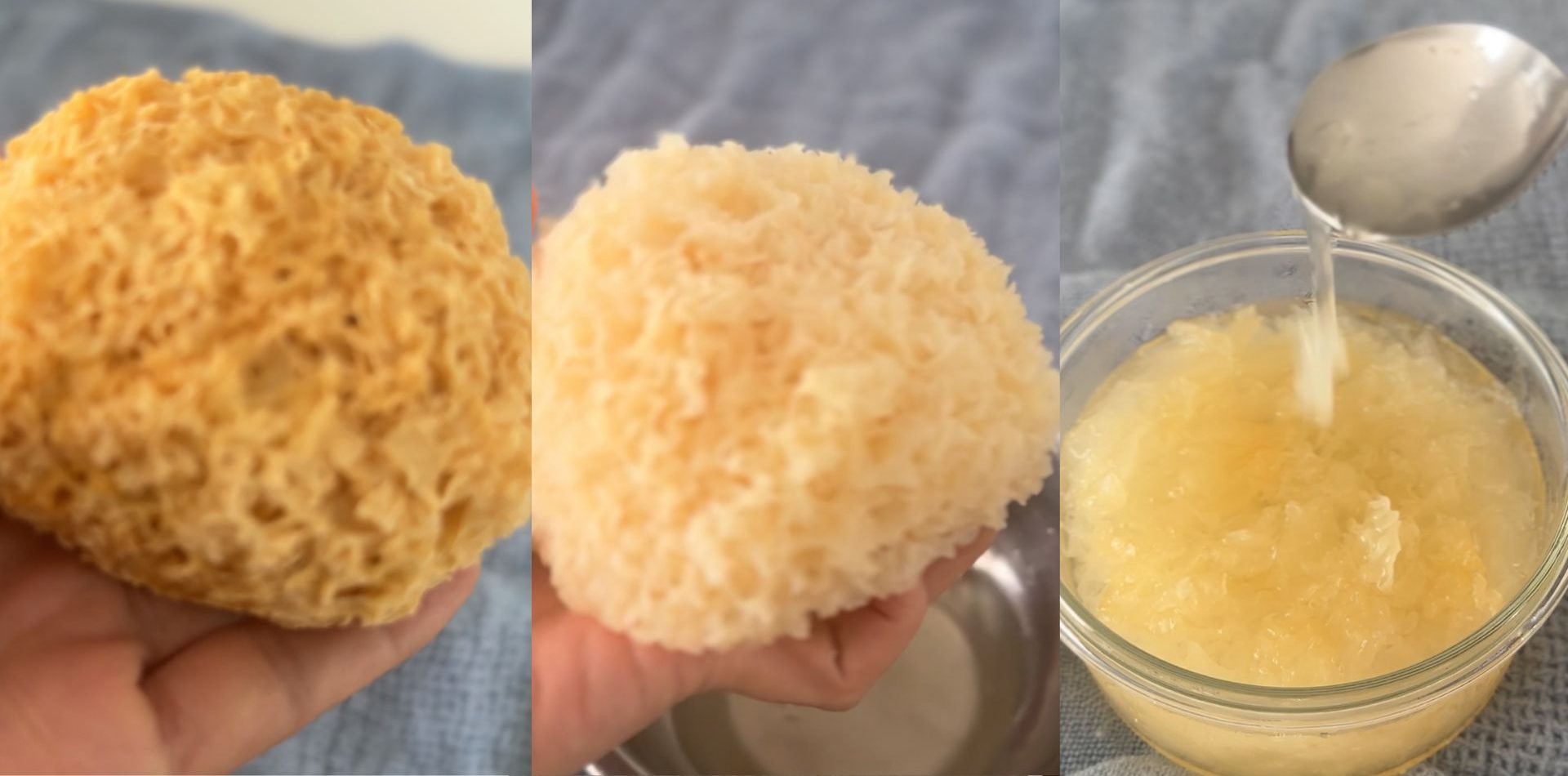
Let’s talk about snow mushroom.
Dry and Brittle: What Dehydrated Fascia Feels Like
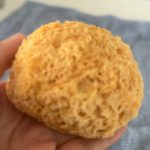
DEHYDRATED SNOW MUSHROOM
When snow mushroom is dehydrated, it’s hard, brittle, and easy to snap.
Fascia — the connective tissue that wraps around and through muscles, organs, and joints — behaves in a similar way when it lacks hydration and movement variability.
Dehydrated fascia can feel:
- Dense
- Stiff
- Restricted
- “Tight”
This doesn’t mean the body is broken.
It simply means the tissue needs nourishment.
Soaking: The Role of Hydration in Fascia Health
Place that same mushroom in water and leave it.
Slowly, it expands.
It becomes soft, plump, and supple.
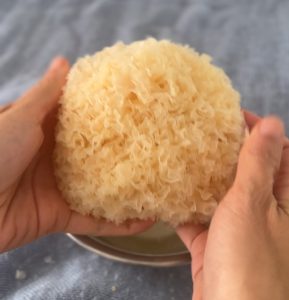
SAME MUSHROOM: AFTER SOAKING
Fascia responds similarly when supported by:
- Movement
- Circulation
- Fluid exchange
- Gentle, sustained loading
Hydration in fascia isn’t just about drinking water (although that matters). It’s also about stimulating the extracellular matrix — the environment where hyaluronic acid helps tissues glide smoothly.
When fascia is well hydrated, movement feels smoother and more adaptable.
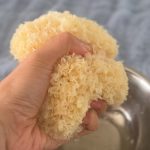
THE HYDRATED MUSHROOM IS LIKE A SPONGE
Cooking: Heat, Stimulation & Marination
Now we gently cook the mushroom.
As it heats, it releases a slippery, gelatinous texture — silky, slightly sticky, resilient.
This stage beautifully mirrors what happens in the body through Yin Yang Yoga.
The cooking process resembles:
-
Heat and stimulation in movement (Yang) yoga
-
Marination in sensation during Yin Yoga
Yang practices generate warmth, circulation, and dynamic stimulation.
Yin practices allow us to stay, soften, and “marinate” in sensation — giving the connective tissue time to respond.
Together, they create balance.
The result? Fascia rich in hyaluronic acid — tissues that are:
- Elastic
- Responsive
- Resilient
- Adaptable
This silky consistency is a beautiful analogy for fascia rich in hyaluronic acid — a substance that helps tissues slide and absorb load efficiently. The cooking process resembles heat and stimulation in movement yoga, and marination in sensastions in Yin Yoga.
Healthy fascia is not overly tight.
It’s not unstable either.
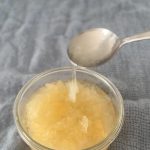
SAME MUSHROOM: AFTER COOKING
How Myofascial Release & Yin Yang Yoga Support Fascia
Myofascial release applies targeted pressure to stimulate hydration and reorganisation within connective tissue.
Yin Yoga applies gentle, sustained load to encourage fluid exchange and adaptability.
Yang Yoga introduces heat, strength, and dynamic movement.
Together, they create an intelligent conversation with fascia:
- Stimulate
- Soften
- Hydrate
- Integrate
Rather than forcing flexibility, we support tissue resilience.
Transformation happens through time, temperature, and environment — just like the mushroom.
Want to Explore This Further?
If this way of understanding fascia resonates with you, I invite you to join my 30-Hour Myofascial Release & Yin Yang Training (10-12 April) at Kamusha Yoga.
We’ll explore:
- Fascia anatomy and function
- Hyaluronic acid and tissue hydration
- Myofascial release techniques
- The balance of Yin and Yang practices
- Make yoga accessible for all body types, especially those with limited mobility
So you can teach — or practice — with deeper knowledge and embodied confidence.
Because when you understand what’s happening beneath the surface, you don’t just guide shapes.
You guide transformation.
About the author
Fiona has been teaching yoga for over 15 years. As a dedicated yoga teacher and educator, her mission is to help yogis stay connected to their yin energy, so they can be mindful in each and every moment. Read more about Fiona here
< Back